

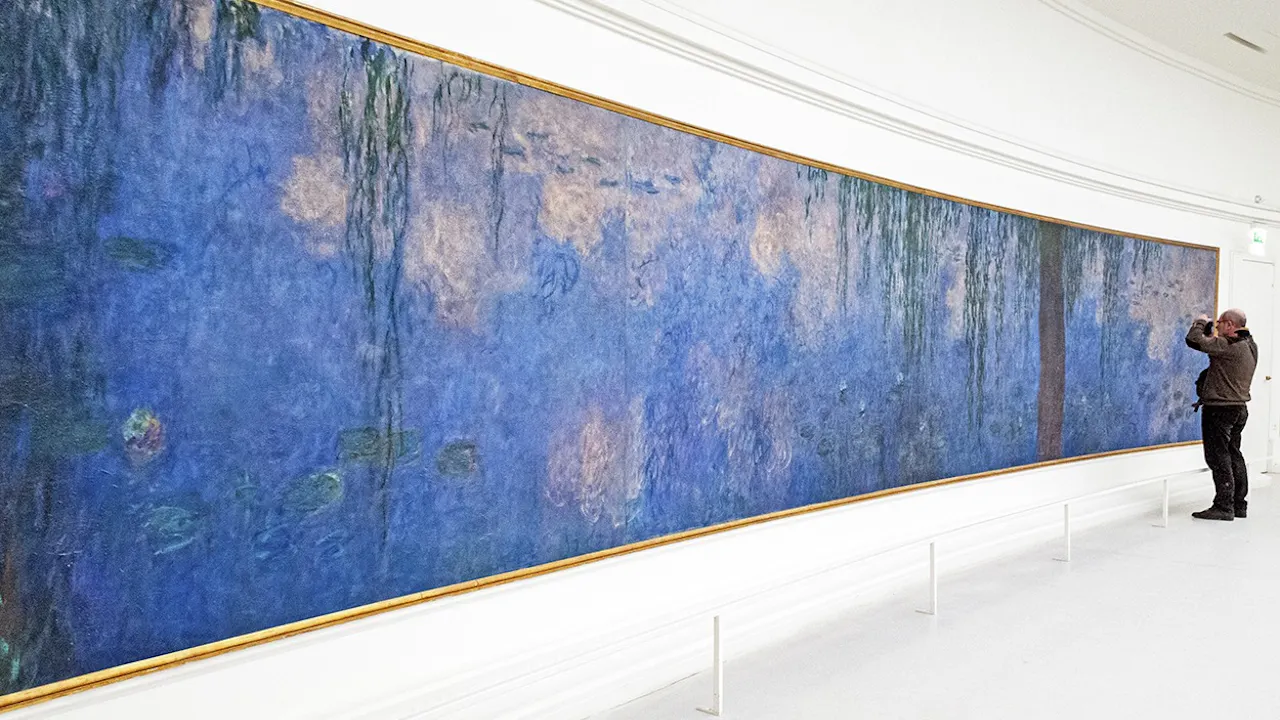
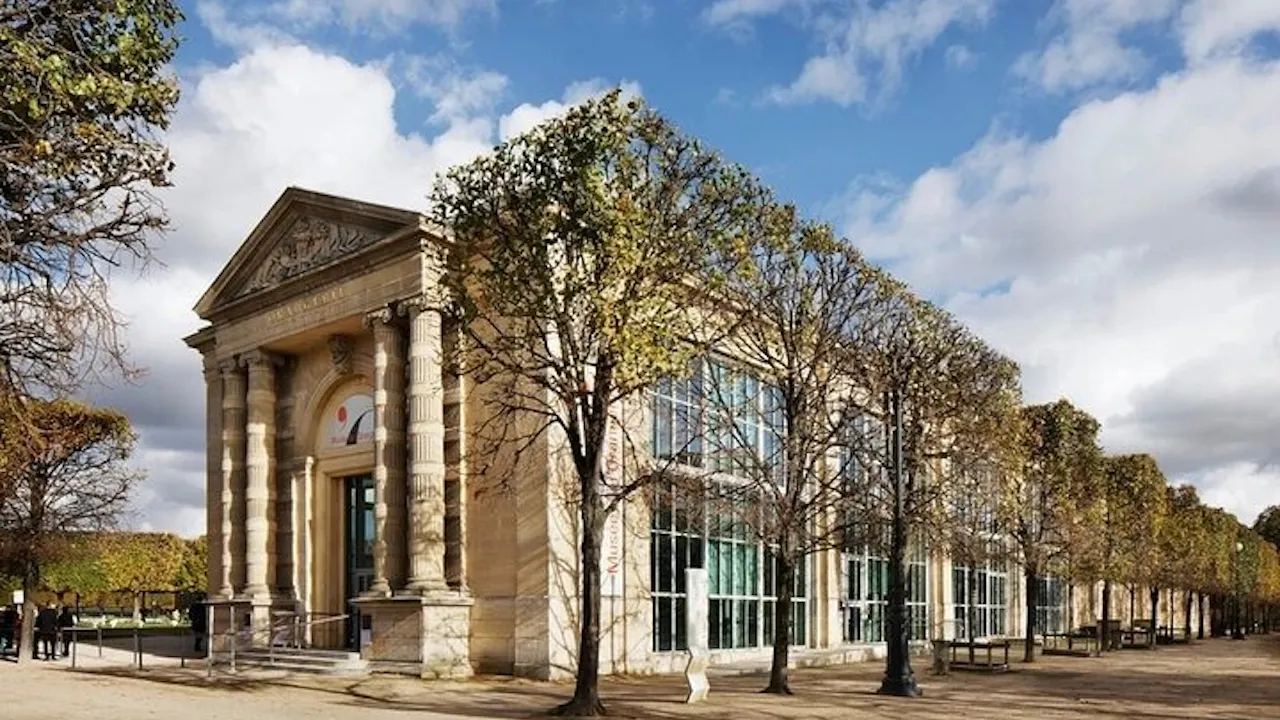
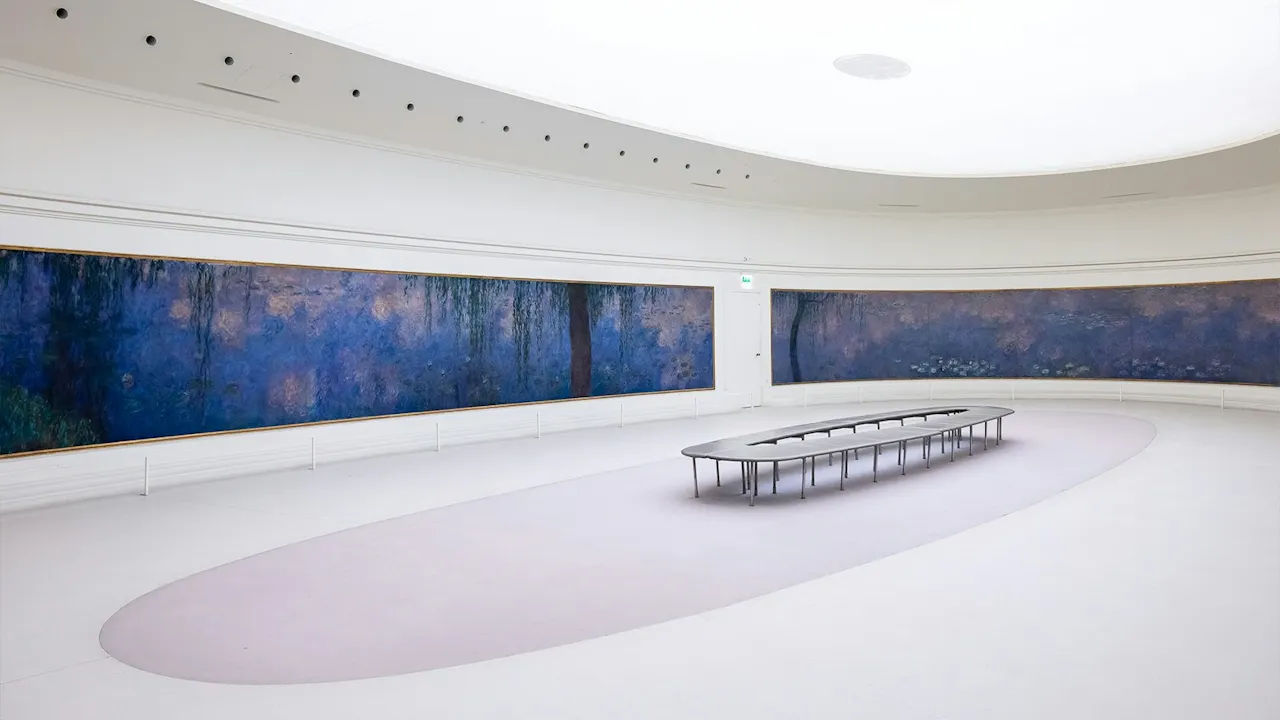


Called the Sistine Chapel of Impressionism, the Musée de l'Orangerie holds one of the most visceral artistic experiences in Paris. In two purpose-built oval rooms that form the shape of infinity, eight monumental Water Lilies panels by Claude Monet wrap 91 metres around the walls at two metres high, bathed in natural light from skylights above — exactly as Monet designed them in 1922 as a gift to France in the wake of World War One.
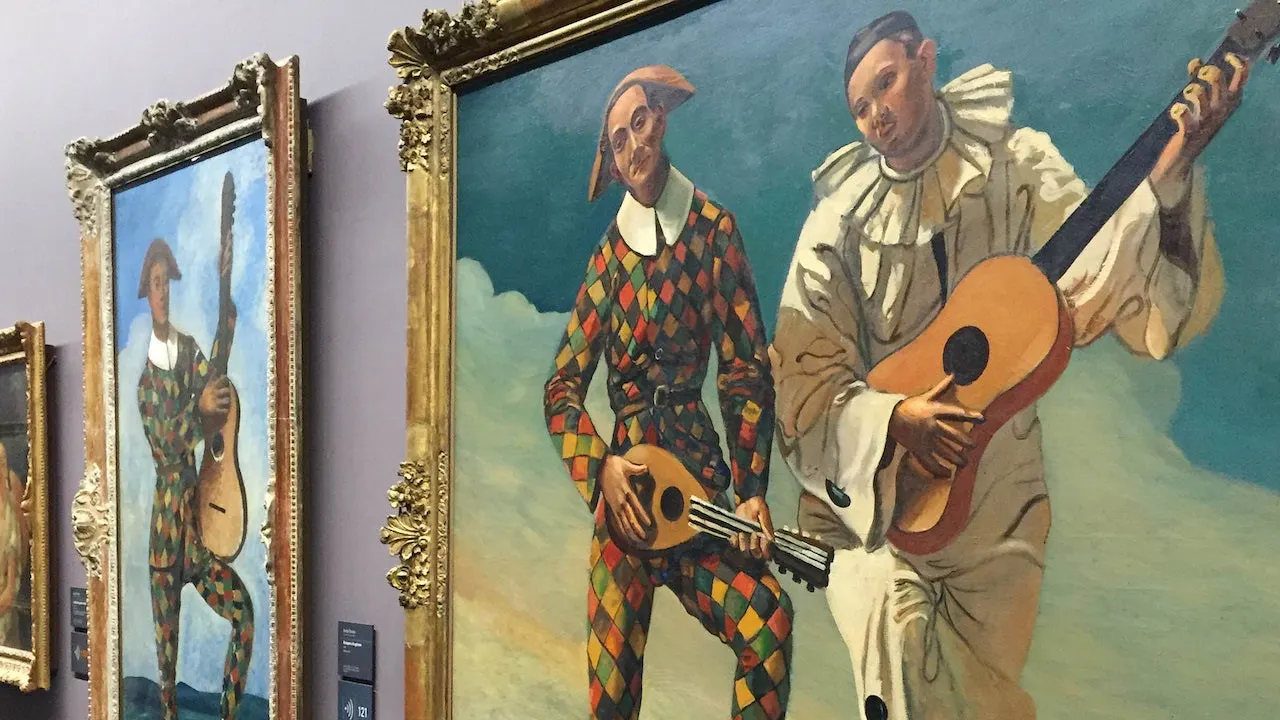
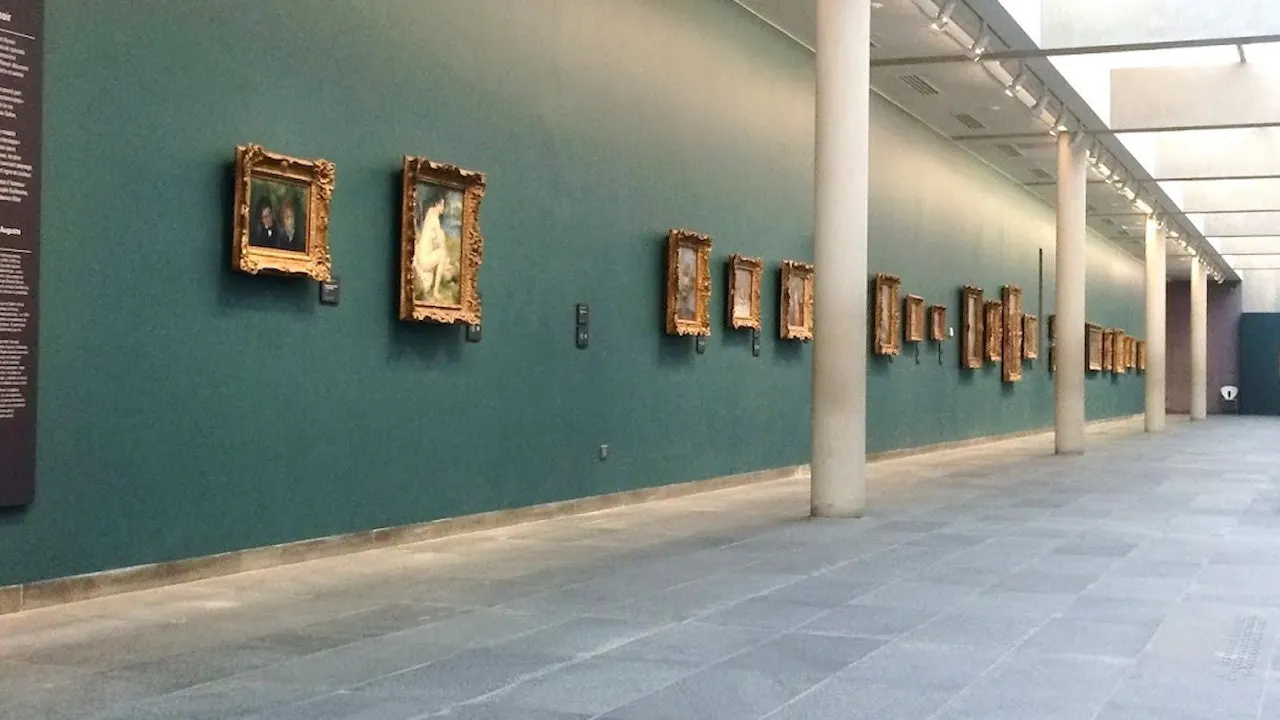
Below, the Jean Walter–Paul Guillaume collection presents 146 works spanning Impressionism to Modernism: Renoir, Cézanne, Matisse, Modigliani, Picasso, Rousseau, Soutine, and Sisley. One of Paris's most intimate and affecting museum experiences — tucked into the Jardin des Tuileries beside the Seine. Book now on Thrillark!
Below, the Jean Walter–Paul Guillaume collection presents 146 works spanning Impressionism to Modernism: Renoir, Cézanne, Matisse, Modigliani, Picasso, Rousseau, Soutine, and Sisley. One of Paris's most intimate and affecting museum experiences — tucked into the Jardin des Tuileries beside the Seine. Book now on Thrillark!
Key Highlights
- Monet's Water Lilies — eight monumental panels, two oval rooms, 91 metres of continuous mural, displayed under natural skylight exactly as the artist conceived them
- The Sistine Chapel of Impressionism: the most immersive single-artist experience in Paris, designed for circling and contemplation rather than passing glance
- Two oval rooms arranged in the infinity symbol — Monet's own design, ensuring visitors cannot tell where the cycle of Water Lilies begins or ends
- Jean Walter–Paul Guillaume collection: 146 works of modern art including Renoir, Cézanne, Matisse, Modigliani, Picasso, Henri Rousseau, Chaïm Soutine, and Sisley
- The building itself: a former 1852 orangery for the Tuileries' orange trees, transformed into one of the world's great art spaces
- Located in the Jardin des Tuileries, between the Louvre and Place de la Concorde — one of the most central and beautiful locations of any Paris museum
About Musée de l'Orangerie Ticket
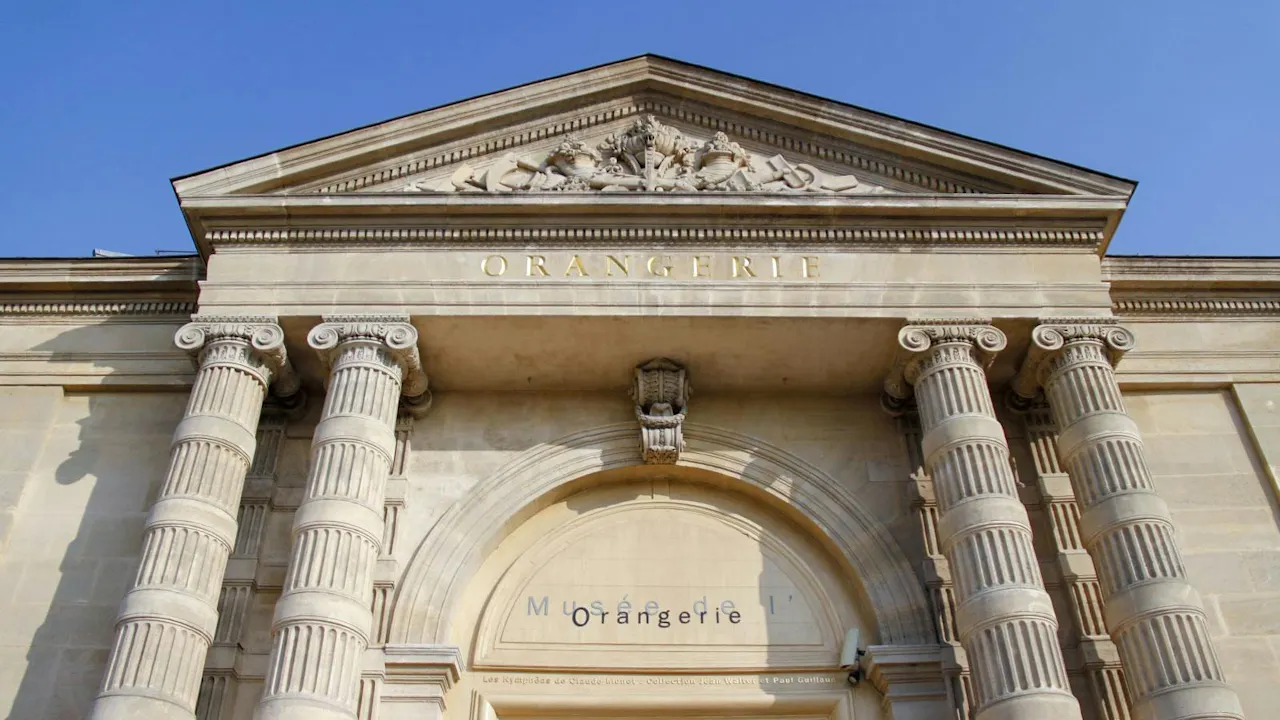
The Musée de l'Orangerie is located at the western end of the Jardin des Tuileries, overlooking the Seine and Place de la Concorde—one of the most scenic museum settings in Paris.
Built in 1852 as a greenhouse for the Tuileries’ orange trees, the structure later evolved into a major art space in the 1920s.
In 1918, Claude Monet gifted France his monumental Water Lilies series. Designed with architect Camille Lefèvre and supported by Georges Clemenceau, the museum features two oval, skylit rooms displaying eight large panels (over 91 meters in total), arranged to create a seamless, immersive experience.
Installed after Monet’s death, they were unveiled in 1927 and remain displayed exactly as he intended.
Today, visitors can experience these iconic works in natural light, capturing shifting moods of time and season. Below, the Jean Walter–Paul Guillaume collection showcases 146 masterpieces by artists like Pierre-Auguste Renoir, Paul Cézanne, Pablo Picasso, Amedeo Modigliani, and Henri Matisse, offering a beautifully balanced and intimate museum experience.
Book your tickets now with Thrillark and immerse yourself in the timeless beauty of Monet’s masterpieces at the Musée de l'Orangerie.
Built in 1852 as a greenhouse for the Tuileries’ orange trees, the structure later evolved into a major art space in the 1920s.
In 1918, Claude Monet gifted France his monumental Water Lilies series. Designed with architect Camille Lefèvre and supported by Georges Clemenceau, the museum features two oval, skylit rooms displaying eight large panels (over 91 meters in total), arranged to create a seamless, immersive experience.
Installed after Monet’s death, they were unveiled in 1927 and remain displayed exactly as he intended.
Today, visitors can experience these iconic works in natural light, capturing shifting moods of time and season. Below, the Jean Walter–Paul Guillaume collection showcases 146 masterpieces by artists like Pierre-Auguste Renoir, Paul Cézanne, Pablo Picasso, Amedeo Modigliani, and Henri Matisse, offering a beautifully balanced and intimate museum experience.
Book your tickets now with Thrillark and immerse yourself in the timeless beauty of Monet’s masterpieces at the Musée de l'Orangerie.
Inclusions
- Admission to the Musée de l'Orangerie
- Access to all galleries and exhibitions
Exclusions
- Audio Guide (available for hire at the museum entrance)
- Tour Guide
- Food and Beverages
- Personal Expenses
- Hotel Transfer
- Tips and Gratuities
Insiders' Tips
Visit the Water Lilies rooms in the early afternoon when the natural light from the skylights is at its gentlest and most even — this is the quality of light Monet designed the rooms to receive. Sit in the Water Lilies rooms rather than walking through them; the panels reward stillness and time. The museum is closed on Tuesdays. A timed-entry reservation is recommended and required for Paris Museum Pass holders visiting on peak days — book in advance through the museum's website. The first Sunday of every month offers free entry for all visitors.
Additional Information
Opening Hours
- Open Monday from 9:00 AM to 6:00 PM
- Closed on Tuesdays
- Open Wednesday to Sunday from 9:00 AM to 6:00 PM
- Closed on May 1, the morning of July 14, and December 25
- Last entry permitted at 5:15 PM
- Exhibition rooms begin closing at 5:45 PM
- A timed-entry reservation is recommended, especially on weekends, school holidays, and peak tourist season. Paris Museum Pass holders must also make a free timed reservation. Book via the museum's official website.
- Free entry for public primary and secondary school teachers in France (valid ID required)
- Free admission for EU residents under 26 (valid ID required)
- Free entry for visitors under 18 (valid ID required)
- Free entry for all visitors on the first Sunday of every month
- Big bags and suitcases are not allowed
- Smoking is prohibited
- Wheelchair accessible
- Stroller accessible
Cancellation Policy
Non-refundable: All bookings are final once confirmed. Please review your visit date carefully before completing your purchase.
Frequently Asked Questions
What are Monet's Water Lilies at Musée de l'Orangerie?
The Water Lilies at the Musée de l'Orangerie — formally titled the Grand Decorations — are eight monumental oil on canvas panels that Claude Monet painted during the last decades of his life in his garden at Giverny, inspired by the water lily pond he had constructed there. The panels range in length from 6 to 17 metres, are two metres high, and have a combined total length of approximately 100 metres. They were donated to France as a peace offering the day after the 1918 armistice. Installed in two purpose-built oval rooms designed by Monet himself and unveiled in 1927, they remain one of the greatest single artistic achievements of the 20th century.
Why are the two oval rooms described as the 'Sistine Chapel of Impressionism'?
The phrase — widely attributed to art historian and curator André Malraux — reflects the ambition, scale, and spiritual quality of Monet's Water Lilies installation at the Musée de l'Orangerie. Like Michelangelo's Sistine ceiling, the Water Lilies rooms were designed as a total environment: Monet worked with architect Camille Lefèvre on every aspect of the room design, from the oval shape and curved walls to the overhead skylights that flood the paintings with natural light throughout the day. The effect on visitors — surrounded on all sides by shimmering water, floating lilies, and reflected sky at a scale that eliminates the sense of a frame — is consistently described as immersive, transcendent, and difficult to capture in photographs.
What is the Jean Walter–Paul Guillaume collection?
The Jean Walter–Paul Guillaume collection is the museum's second major treasure — 146 works of Impressionist and modern art displayed in basement galleries below the Water Lilies rooms. Paul Guillaume was a pioneering Parisian art dealer in the early 20th century who amassed a remarkable personal collection; after his death, his widow Domenica continued collecting under the name of her second husband Jean Walter. On her death in 1977, she left the collection to the Orangerie on condition it remain intact. The collection includes major works by Renoir, Cézanne, Matisse, Picasso, Modigliani, Henri Rousseau, Chaïm Soutine, Alfred Sisley, and others.
How did Monet design the Water Lilies rooms?
Monet took an exceptionally active role in designing the two oval rooms at the Orangerie. Working with architect Camille Lefèvre, he specified: the oval shape of the rooms (arranged together in the form of the infinity symbol); the curved walls onto which the panels would be affixed so they wrap continuously without breaks; overhead skylights rather than side windows, ensuring the paintings were illuminated by diffuse natural light from above, replicating the quality of light in his Giverny garden; and a layout in which, as visitors move through the rooms, they cannot identify a clear beginning or end to the pictorial cycle. Monet also required that no other paintings hang in the same rooms as the Water Lilies.
Is the Musée de l'Orangerie included in the Paris Museum Pass?
Yes — the Musée de l'Orangerie is included in the Paris Museum Pass, covering unlimited access to 50+ museums and monuments. Museum Pass holders must make a free timed-entry reservation in advance, as the Orangerie is one of the sites where this is compulsory even with the pass. Reservations can be made through the museum's official website. The museum is at the western end of the Jardin des Tuileries, easily combined with a Paris Museum Pass visit to the Louvre at the eastern end of the same garden.
What is the best time of day to see the Water Lilies?
The Water Lilies rooms at the Musée de l'Orangerie are designed to receive natural light through overhead skylights, and the quality of that light changes throughout the day — exactly as Monet intended. Early morning (9:00–10:00 AM) offers soft, gentle light that suits the most delicate panels. Mid-morning to early afternoon provides bright, even light that reveals the full colour range of the paintings. On Friday evenings, the museum stays open until 9:00 PM, when the rooms are lit differently under artificial light — a completely different and equally beautiful experience. The rooms are quieter early in the morning and on Friday evenings than during peak midday hours.

 Trustpilot
 in Dubai